Discover Mimaki UV Printers
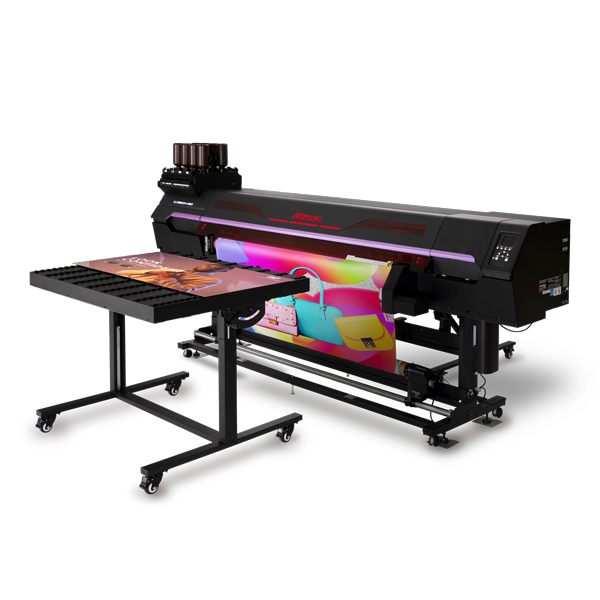
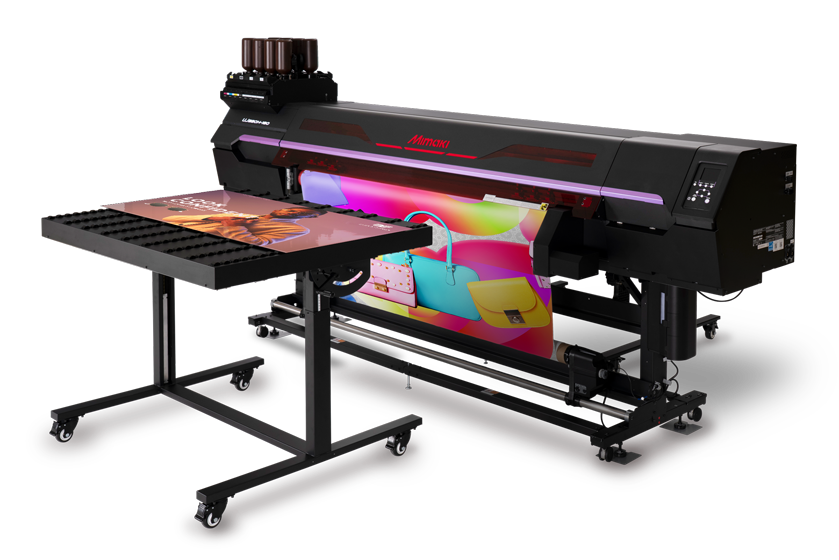
UV printers cure ink instantly with UV light, so prints are ready to handle or finish right away- no drying time needed. Depending on the model, Mimaki UV printers can print on rigid boards and objects, flexible roll media, or both. Mimaki offers flatbed, roll-to-roll and hybrid UV models.
What you can do with UV printing:
• Print directly on a wide range of compatible materials: acrylic, glass, wood, metal, plastic, vinyl and film
• Choose flatbed, roll-to-roll or hybrid to match your production
• Add white ink, clear varnish, textured or multilayer effects on selected models
• Print and cut in one workflow: selected UCJV models have integrated cutting for labels, decals, window graphics and other contour-cut applications
• Decorate curved, textured or hard-to-print surfaces with UV-DTF transfer technology, using dedicated transfer films
Browse the models below to compare print area, media thickness, speed and available inks.
-

UJF200 Series
Industrial desktop format UV flatbed
- Up to 70% faster production speeds
- Print directly onto objects up to 250mm high
- Fluorescent Pink & Fluorescent Yellow inks
- Scale production with automated workflows and optional camera and belt

-

JFX220-2515
Flatbed printer with less prep, more opportunity
- Less Preparation with automatic vacuum that eliminates masking
- Print on a wide range of objects up to 101.6mm thick
- Create more impact with fluorescent pink and yellow inks
- Faster setup, streamlined workflows and higher production speeds
-
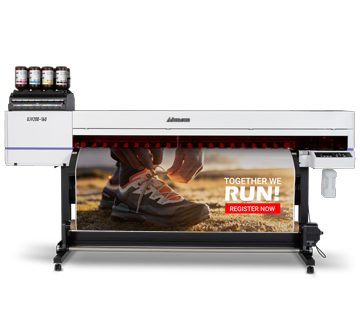
UJV200 Series
High-quality, affordable roll-to-roll UV-LED
- Speeds up to 25m²/h for fast turnaround
- Easy operation with a single printhead and automatic adjustments
- Built-in reliability with nozzle control and ink-saving technology
- Instant drying with our proven UV-LED technology
-
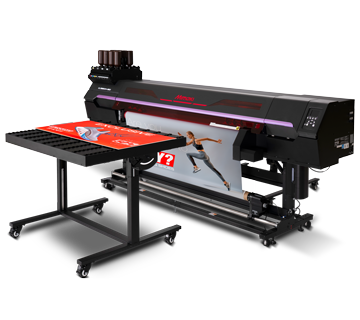
UJ330H-160
Hybrid UV printer for rigid, roll and textured printing
- Handles both roll media and rigid boards
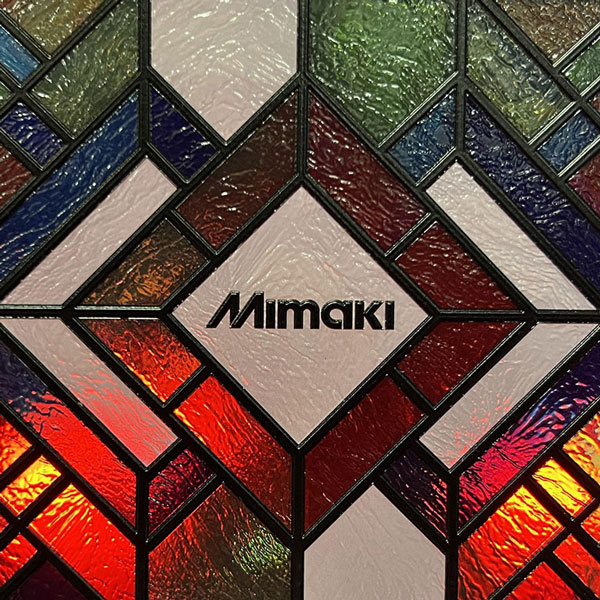
- 2.5D textured prints, multi-layer effects and spot varnish
- Multi-board printing and automatic media alignment
- Stable media transport for the most challenging substrates
-
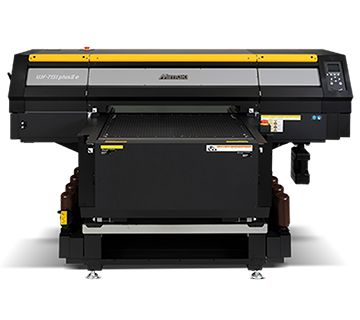
UJF-7151 plusII e
High performance flatbed UV-LED printer
- Two additional print heads
- Newly developed precise table mechanism
- Maximum print resolution of 1800dpi
- Easy integration for automated production using robotics
-
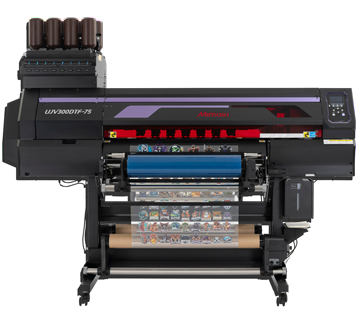
UJV300DTF-75
Powerful UV-DTF printing
- Decorate curved, textured and hard-to-print materials
- Reliability with a workflow that minimises downtime
- Unique pinch roller precision feed
- Next-gen eco-certified UV inks
-
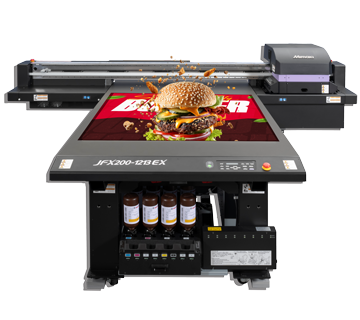
JFX200-1213 EX
Compact, high-speed UV-LED printer
- Space saving table with high print speeds
- Create 2.5D textured effects
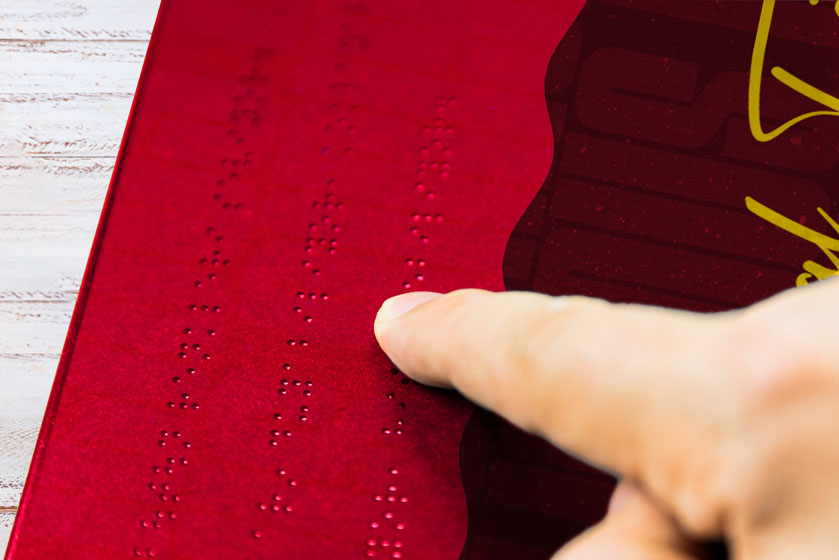
- Bi-directional Braille printing
- Versatile media and all international A sizes
-
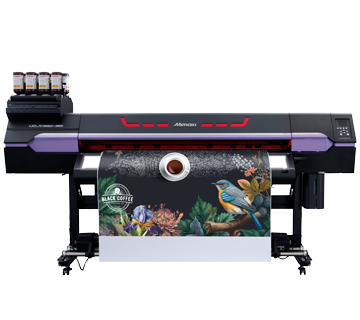
UCJV330-160
UV-LED inkjet print & cut
- Superior quality, even at high speeds
- UV-LED for multi-layer effects
- Integrated printer/cutter to expand applications
- Eco-friendly technology
-
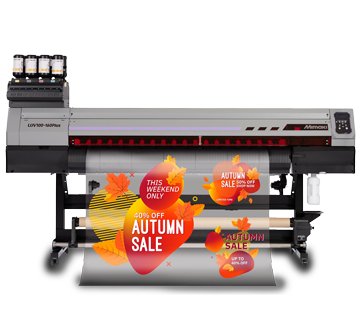
UJV100-160Plus
Low cost, high return UV-LED printer
- Pull-back printing expands applications
- Effective printer management
- Sustainable and eco-friendly technology
- More flexible cutting with CG-AR
-
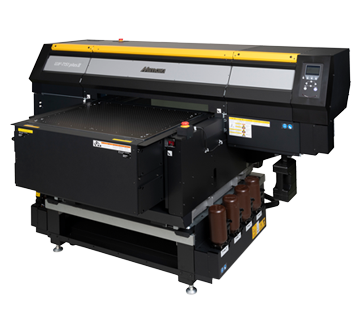
UJF-7151plus II
High performance flatbed UV-LED printer
- Two additional print heads
- Newly developed precise table mechanism
- Maximum print resolution of 1800dpi
- Easy integration for automated production using robotics
-

UJF MkII e Series
High quality small flatbed UV-LED inkjet printer
- Highest ROI thanks to superior efficiency and reliability
- Print colour and white without loss of print speed
- Easy integration for automated production using robotics
- Enhanced functions enable easier operation and less errors
-
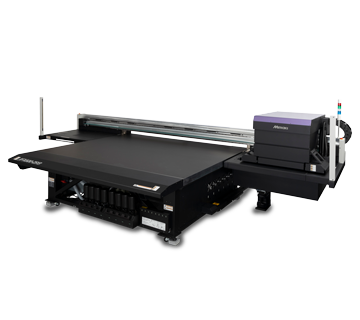
JFX600 Series
Industrial large format flatbed UV-LED printers
- Extreme productivity with print speeds of up to 200 m2/h
- 16 industrial built print heads in 4-colour or 7-colour configuration
- IoT Ready for automated, unattended production using robotics
- Mimaki Printer Controller software for easy operation
-
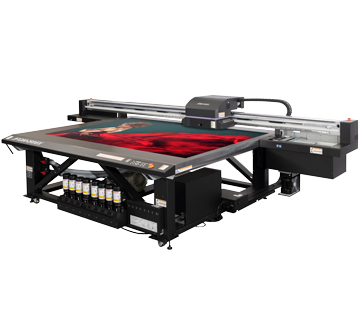
JFX200-2513 EX
5th Generation large flatbed UV-LED printer
- Introducing 2.5D automated layered printing
- Highest productivity at speeds up to 35sqm/h
- Staggered heads for printing colour and white inks simultaneously
- Added combo of NCU and NRS for uninterrupted printing
-
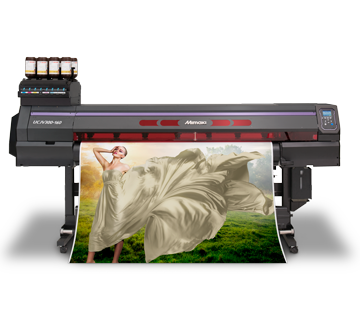
UCJV300 Series
Technologically superior UV-LED printer/cutter
- The most all-round printer with unmatched scratch resistance
- Direct finishing after printing with CMYK
- Variety of print media, even uncoated
- Environmentally friendly UV ink
-
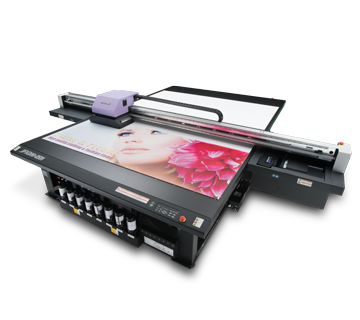
JFX200-2531
High performance large format flatbed UV-LED printers
- Highly productive print speeds
- Simultaneous high density white ink printing
- Continuous unattended printing
- Mimaki Advance Pass System reducing bandings
-
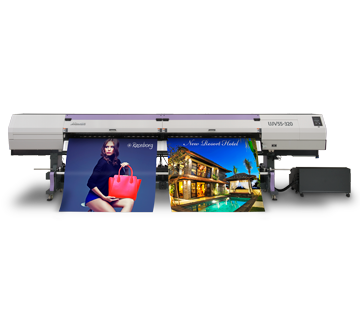
UJV55-320
High performance grand format UV-LED printer
- High density print mode for front/backlit applications
- Inline LED Lightbox for backlit print inspection
- Direct Finishing after printing
- Simultaneous twin-roll print facility
-
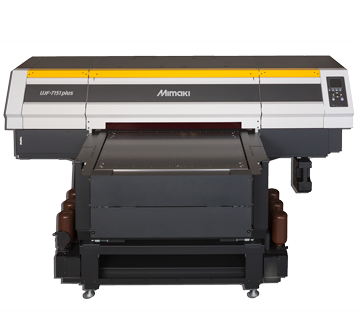
UJF-7151plus
Direct-to-object production flatbed UV-LED printer
- Direct printing up on substrates up to 153mm thick
- High speed printing
- Large 710 x 510mm printable area
- UV-curable metallic ink for beautiful finishing effects
-
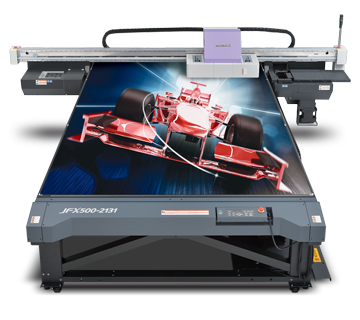
JFX500-2131
Ultra high speed large format flatbed UV-LED printer
- Amazing print speeds up to 60sqm/h
- Maximum print size of 2.1 x 3.1 m
- Multiple ink options
- Intelligent Microstepping System (IMS) for accurate prints


Applications
UV printers unlock high-margin applications across industries. Print directly on rigid and flexible substrates to produce signage, décor, custom products, and industrial components. Our flatbed and roll-to-roll printers help you expand your offering and simultaneously scale your production.
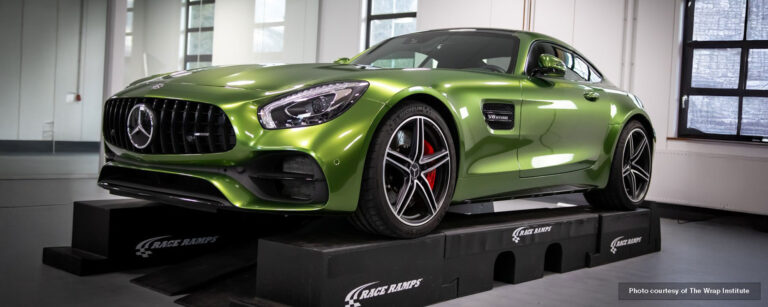
Car wrapping is the process of applying vinyl film onto vehicles to create commercial vehicle branding, fleet graphics, or a new look. It helps businesses to promote their brands through company vehicles and send their messages all the time and ev...
Car wrapping & vehicle graphics
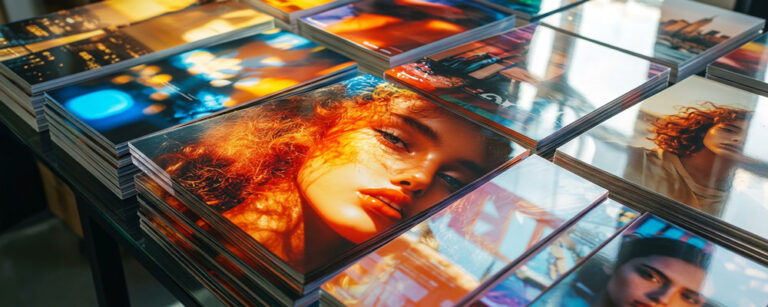
Mimaki's advanced UV-LED printing technology delivers exceptional print quality directly onto glass and acrylic (also known as PMMA or Plexiglas®), making it easy to create customised, long-lasting products.On this page, you will discover the ...
Printing on glass and acrylic
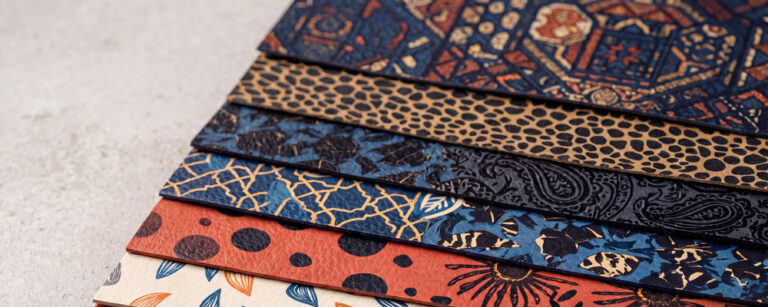
Printing on leather is made possible by creating customised designs on artificial leather sheets. With these sheets you can create fashion and lifestyle accessories, furniture and upholstery and personalised accessories.On this page, you will ...
Professional leather printing
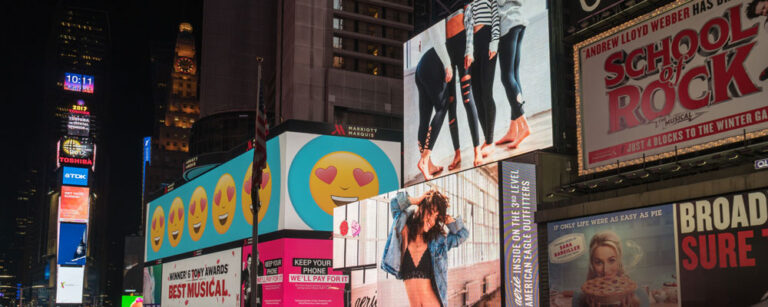
Poster printing is one of the most reliable revenue streams for print service providers, covering everything from promotional and informational graphics to decorative wall art. Applications span retail, advertising, events, public spaces, and inte...
Professional poster printing
See Mimaki UV Printers in Action
Watch how Mimaki UV printers transform rigid and flexible materials into high-value products and expand your production potential.
Exceptional print quality
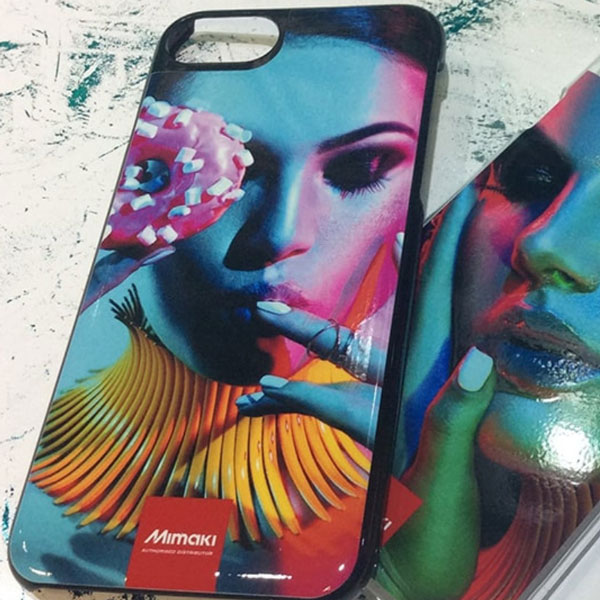
You want prints that stand out. A Mimaki UV inkjet printer delivers bold colour, crisp detail, and smooth gradients on many materials. Print on acrylic, aluminium, wood, plastic, or glass with confidence.
White ink remains strong, fine lines stay sharp, and layered effects look clean and professional. With advanced UV inkjet printer technology, every job meets professional production standards.
Made for precision and power
Your business runs every day. Your UV printer should keep up.
Mimaki UV printers are engineered for real production environments. They handle demanding workloads, long operating hours, and complex jobs while maintaining consistent output.
- Built for industrial and commercial production
- Ready for automated and unattended workflows
- Strong mechanical design for long-term reliability
- Controlled ink management for stable, efficient operation
The Mimaki ink advantage
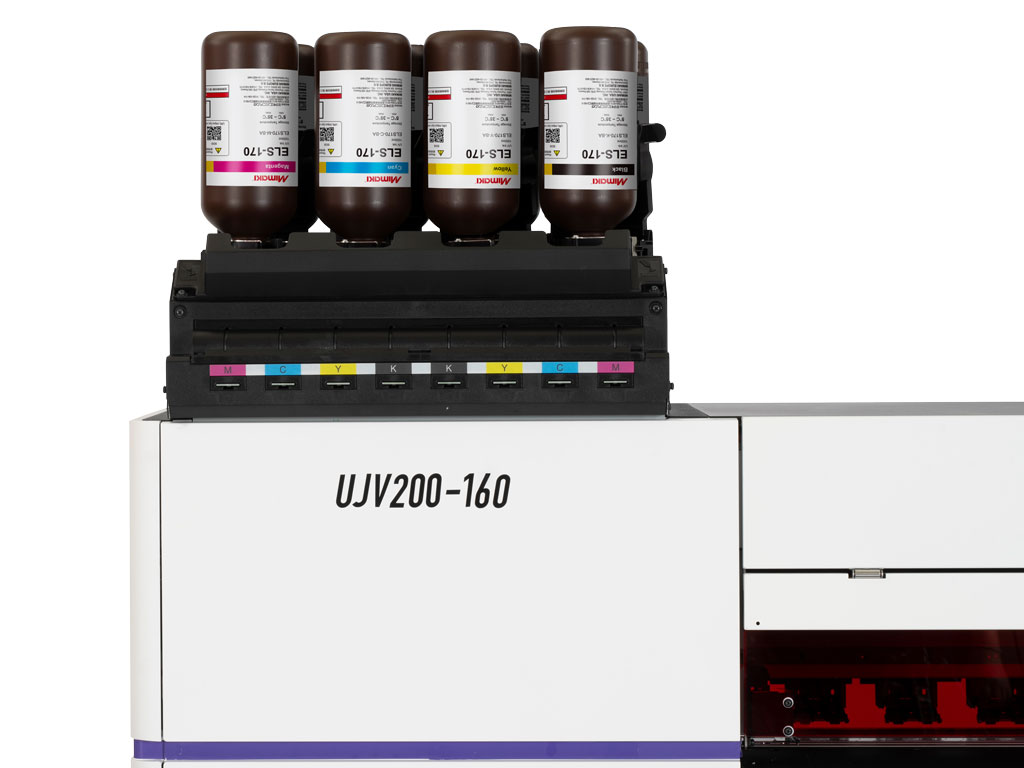
The performance of a UV printer depends heavily on its ink system. Our UV inks provide strong adhesion, vibrant colour, and reliable curing across rigid and flexible materials.
Whether using a UV flatbed printer or roll-to-roll UV inkjet printer, you benefit from durable prints, stable white ink coverage, and smooth layered effects.
Frequently asked questions about UV printing
A UV printer is a digital UV inkjet printer that uses ultraviolet light to cure the ink instantly during printing. Because the ink cures immediately, prints are ready to handle without drying time.
This allows businesses to produce faster, maintain efficient workflows, and deliver consistent results in professional production environments.
One major advantage of a UV printer machine is its ability to print directly on many different materials. A UV flatbed printer, for example, prints onto rigid objects placed on a flat table. This allows you to decorate panels, products, and components that traditional printers cannot handle.
With a professional UV printer, businesses can expand into a wide range of applications, such as:
• Retail signage and display graphics
• Custom promotional products and branded merchandise
• Packaging prototypes and short-run packaging
• Decorative panels and interior elements
• Industrial labels, control panels, and equipment parts
UV printers can print on materials such as acrylic, aluminium, glass, wood, plastic, and composite boards. This versatility allows businesses to produce higher-value products and accept a wider range of jobs.
Because of this versatility, UV printing has become one of the most widely used digital printing solutions for businesses looking to create durable graphics on many materials. Mimaki UV printers combine this flexibility with reliable performance and professional production quality.
The main difference between UV printing and sublimation printing lies in the materials and products you want to produce.
Key differences include:
• Material flexibility – A UV printer can print directly on many rigid and flexible materials such as acrylic, aluminium, glass, wood, plastic, and composite boards. Sublimation mainly works on polyester fabrics or coated items.
• Type of products – UV printing is commonly used for signage, panels, promotional products, packaging, décor, and industrial applications. Sublimation is primarily used for sportswear, soft signage, flags, and textile décor.
• Production workflow – With a UV printer, ink cures instantly on the material, so prints are ready to handle immediately. Sublimation requires printing on transfer paper first and then applying the design using heat and pressure.
• Creative possibilities – UV printing enables layered graphics, textures, gloss finishes, and tactile effects such as braille. Sublimation produces smooth prints integrated into fabric surfaces.
If you want to print on many materials and expand into rigid applications, a UV printer provides greater flexibility. If your production focuses mainly on textiles and polyester products, sublimation may be the better choice.
A UV flatbed printer is a powerful production tool, but like any professional equipment, it performs best when it is used and maintained correctly.
Here are some issues businesses may encounter and what typically causes them:
• Ink adhesion issues – Some materials, such as certain plastics or coated surfaces, may require primers or proper preparation to ensure the UV ink bonds correctly. Choosing the right settings and materials usually solves this.
• Banding or uneven print results – This can happen if the printer heads are not properly calibrated or maintained. Regular maintenance and proper print settings help keep output smooth and consistent.
• Ink curing challenges – If the UV light does not cure the ink correctly, prints may appear sticky or less durable. This usually relates to curing settings, lamp performance, or material compatibility.
• Maintenance and cleaning requirements – UV printers require routine maintenance to keep the ink system stable and the print heads in good condition.
Consistent maintenance helps prevent clogging and ensures reliable production.
In most cases, these issues are manageable with the right workflow, proper maintenance, and compatible materials. A well-designed UV printer machine with automated maintenance features and stable ink circulation helps reduce these risks and keeps production running smoothly.
Yes. A UV printer uses specialised UV-curable ink to produce prints. As the printer applies the ink, ultraviolet light cures it instantly on the surface. This means the print dries immediately and is ready to handle right away.
Most UV printers use several types of ink:
• Colour inks for graphics and images
• White ink for printing on dark or transparent materials
• Clear ink for gloss, texture, or layered effects
A UV printer prints directly onto the surface of the material and cures the ink instantly with UV light. This makes it ideal for flat materials, panels, and rigid substrates.
A UV DTF printer prints the design onto a special transfer film. The design is then applied to the final object, making it easier to decorate curved, irregular, or difficult surfaces.
In simple terms:
• UV printing focuses on direct printing on materials
• UV DTF printing focuses on flexible product decoration through transfers
Curious for more Mimaki printers?

UV-DTF
UV-DTF transfer printing makes it possible to decorate curved, textured, and hard-to-print materials simply and efficiently. Mimaki’s UV-DTF technology offers reliability and image sharpness technology with a workflow that minimises downtime. UV-DTF printing empowers you to create consistent, high-value results while expanding into profitable new markets.
More info
Solvent & eco-solvent printers
Solvent printing is the default for many sign graphics customers around the world. With excellent outdoor durability and great colour gamut, Mimaki’s range of solvent machines is there to help you as a print provider to enhance your offering. Eco solvent inks are also available, which emit less VOCs without compromising the quality and durability of the output.
More info