Sublimation Printers
Professional printers for textile & promotional product printing
See our printers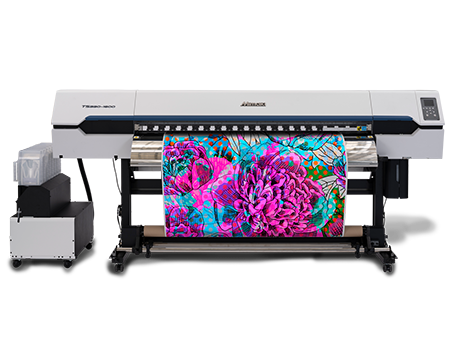
Discover Mimaki Sublimation Printers
Sublimation printers enable businesses to produce high-quality textile and promotional product prints. They transfer ink into polyester fabrics or polymer-coated materials to create smooth, durable results.Mimaki’s offerings range from entry level print-and-cut machine to one of the world’s fastest dye sublimation printers.
-
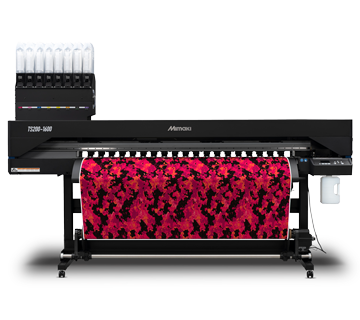
TS200-1600
Affordable entry model with pro-level performance
- Powerful solution for sportswear, fashion and decor
- Orange, violet and flourescent inks for bold and vivid brilliance
- Superior performance with 330 Series technology
- 2-litre ink packs for longer printer runs

-
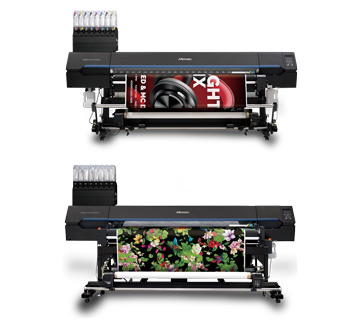
Tx330 Series
Next-gen hybrid printer for vibrant, eco-friendly textiles
- Prints 25% faster at high resolution
- Hybrid printer handles both fabrics and sublimation
- Belt-driven model for stretchy or thick fabrics
- Employs eco-friendly "waterless" technology
-
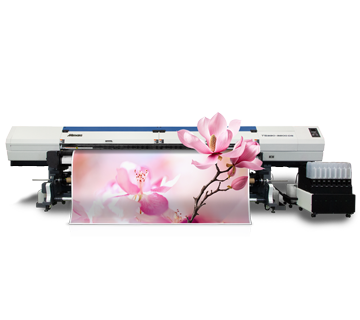
TS330-3200DS
Dual-mode 3.2m dye sublimation printer
- Handles both sublimation paper and direct-to-polyester printing
- Achieves up to 150 sqm/h at an operational speed of 90 sqm/h
- Built-in advanced imaging technology ensures high quality prints
- Easy-to-use ink supply system and simplified maintenance
-
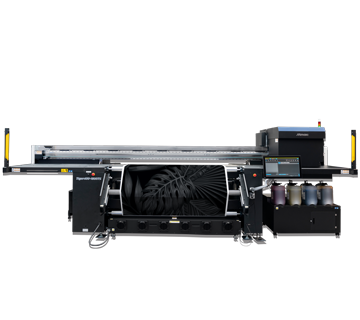
Tiger600-1800TS
Achieve sustainable sublimation excellence
- 550 m2/h print speeds for efficient production
- Compact and space-saving design
- Minimised ink wastage and fabric damage
- MLSb510 sublimation ink for eco-friendly printing
-
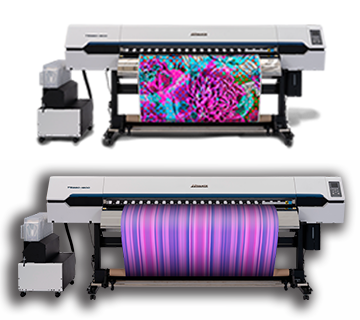
TS330 Series
High quality 1.6m & 1.8m dye sublimation printers
- Fluorescents enable vivid and eye-catching applications
- Upscale production: optional mini jumbo roll and 10kg ink supply
- Throughput increased while operator mistakes are reduced
- High precision print quality
-
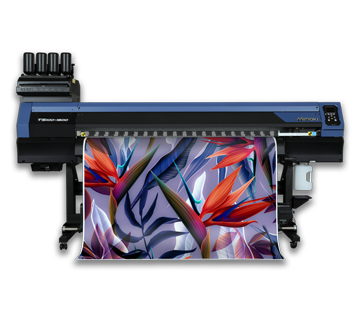
TS100-1600
High print performance dye sublimation printer
- Maximum print speed up to 70 sqm per hour
- Print stability thanks to Mimaki Core Technologies
- Media take-up system up to 45kg
- Bi-directional and media feed adjustment for improved productivity
-
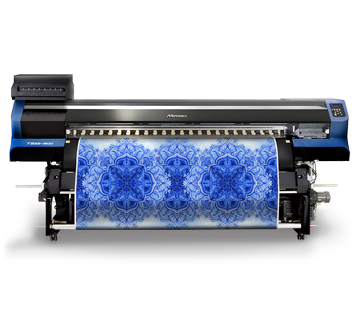
TS55-1800
The (R)evolution of Textile Printing
- High resolution with a higher ink density
- With optional Mini Jumbo Roll
- Continuous operation
- Available in very competitive packs or low cost tanks


High-demand sublimation applications
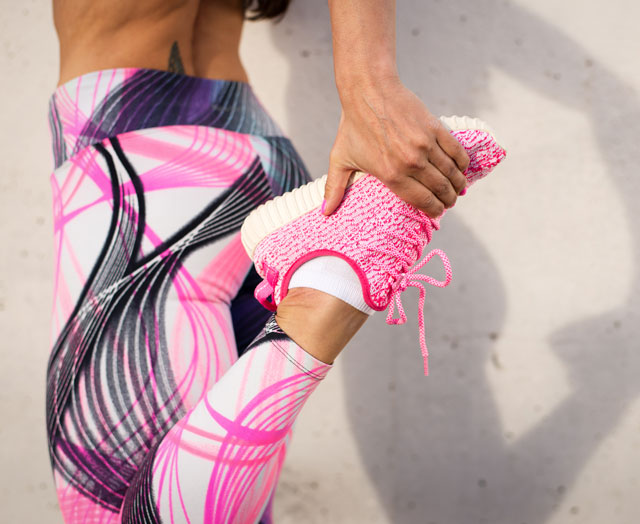
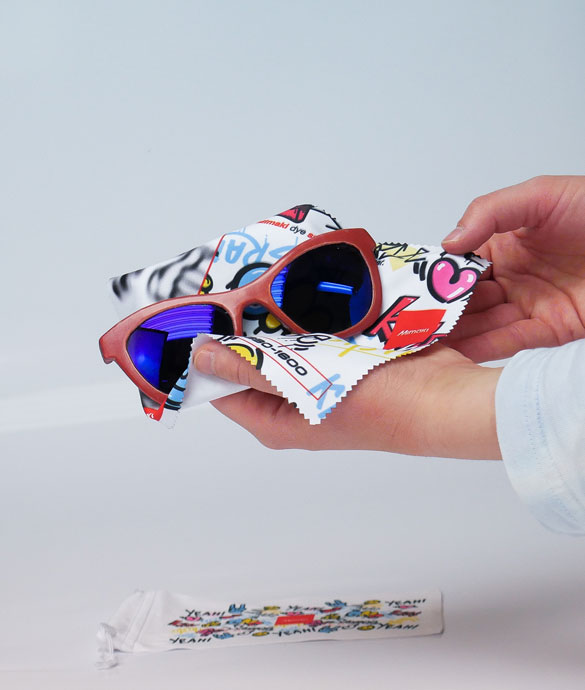
From short runs to large volumes, sublimation printing offers a flexible solution for a wide range of professional uses. It performs particularly well where colour quality, durability, and production efficiency matter.

This application covers custom uniforms, safety clothing, branded workwear and personalised staff garments.On this page, you can explore what matters most when printing logos and adding personalised details to workwear. It explains the workflo...
Custom workwear & logo printing
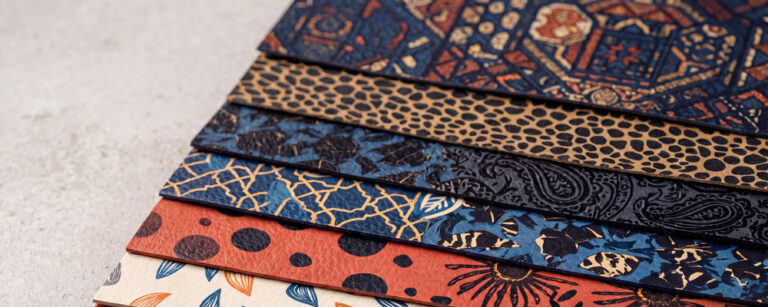
Printing on leather is made possible by creating customised designs on artificial leather sheets. With these sheets you can create fashion and lifestyle accessories, furniture and upholstery and personalised accessories.On this page, you will ...
Professional leather printing

Print businesses may need to produce anything from one-off personalised T-shirts to repeat merchandise and larger orders. Each order can have different needs for garment type, design, quantity and level of personalisation. The workflow should matc...
T-shirt printing
See sublimation printing in action
Watch how sublimation printing turns digital designs into durable textile and product applications.
A simple and efficient production workflow
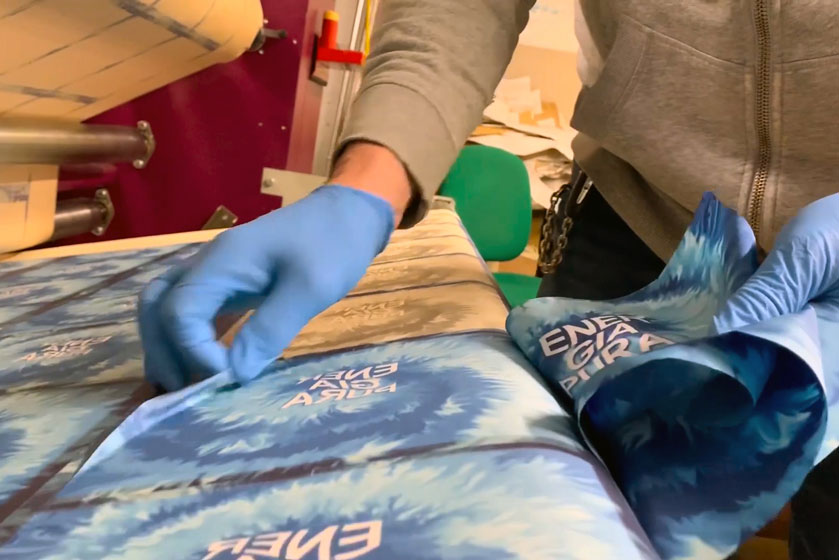
The workflow of sublimation printing is simple and efficient. This process includes printing the design onto special paper and transferring it onto the final material using heat (Transfer sublimation). The second option is to print directly onto the final material before being fixed with heat (Direct-to-textile sublimation). In both cases, the ink turns into gas and goes inside the material, creating a long-lasting result.
Because this process does not require pre-treatment, washing, or steaming, it helps reduce production steps and simplify operations. This allows you to achieve consistent results, faster turnaround times, and reliable output across a wide range of applications.
Consistent quality and long-lasting results
As in sublimation printing process the ink becomes part of the material rather than sitting on top, it produces smooth, detailed prints with strong colour vibrancy. These prints are highly resistant to washing, rubbing, and fading, making them suitable for demanding textile applications.
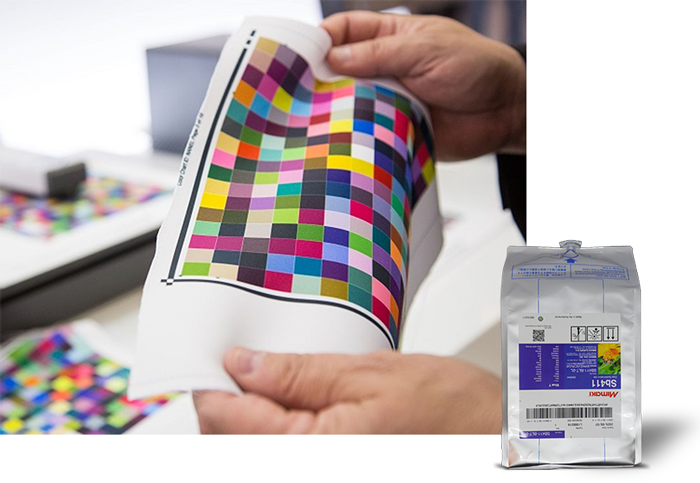
Mimaki’s technology and premium RIP software combined, helps maintain accurate colour control and repeatability across jobs. This ensures consistent output quality, even in continuous production environments.
Sustainable and certified textile production
Sublimation printing unlike many traditional textile printing methods does not require water-intensive steps such as washing or steaming. So, it is one of the most sustainable and environmentally friendly printing techniques.
Mimaki sublimation inks are bluesign® approved and ZDHC MRSL Lv.3 certified, meeting the highest sustainability standards with minimal environmental impact and ensuring worker safety.
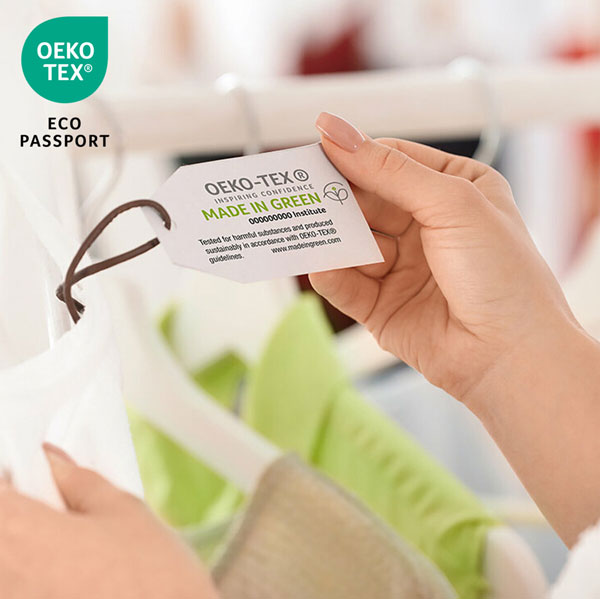
They are also ECO PASSPORT by OEKO-TEX® certified, confirming their suitability for skin-friendly textiles.
Frequently asked questions about sublimation printing
Sublimation printing method has two types: Transfer sublimation (Design is first printed on the transfer paper and then then applied on the final material using heat and pressure) and Direct sublimation (Design is printed directly onto textile before being fixed with heat.
Sublimation printer (also known as a dye sublimation printer) is a digital printing machine which is suitable for printing on polyester fabrics or transfer paper. This machine uses dedicated sublimation inks which are designed for this process. During this process, the dye sublimation ink changes directly into gas and goes inside the coating or fibers of the material. This makes prints remain vibrant, resistant to washing, and free from cracking or peeling.
Polyester fabrics or materials coated with a polymer coating works best for sublimation printing. For textile applications, fabrics typically need to contain a high percentage of polyester (usually at least 65%) to achieve strong, vibrant results. You can also successfully use polyester-coated products such as mugs, panels, and promotional items.
Materials like cotton or untreated natural fabrics do not work well because the ink cannot bond properly with the fibers.
To start sublimation printing, you need a few basic items:
-Sublimation printer
-Sublimation ink: special ink for sublimation printing
-Transfer paper: you can print the design on this first and then apply it to the final material
-Heat press or calendar: uses heat to transfer the design onto the product
-Suitable materials: your desirable polyester fabrics or coated items
RIP software helps to manage colour accuracy and print settings Mimaki includes this software with their printers. For more information about Mimaki software please visit this link:
https://www.mimakieurope.com/products/software/
Sublimation prints are highly durable and can last for many years without fading or cracking when used correctly.
On textiles, the print becomes part of the fabric, so it does not peel or crack and remains stable even after many washes
On hard surfaces, prints stay vibrant as long as the coating remains intact
The lifespan depends on factors such as material quality, usage, and care (e.g. washing temperature or UV exposure).
No, you cannot print DTF with a sublimation printer. These are two different printing technologies that use different inks and processes.
Sublimation printing works with sublimation ink and is mainly used for polyester fabrics or coated materials and goes inside the coating or fibers
DTF printing uses special pigment inks and adhesive powder (glue) to transfer designs onto a wide range of fabrics.
Because of these differences, a sublimation printer cannot be used for DTF printing.
Explore other Mimaki printing solutions
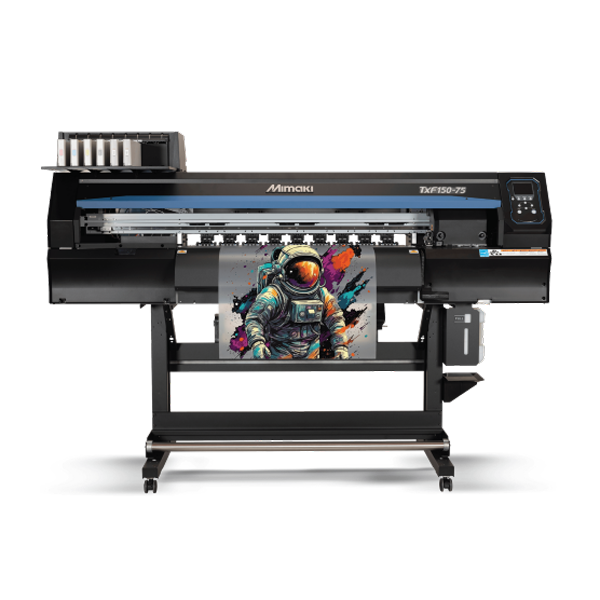
DTF Printers
DTF printers offer a flexible solution for adding logos, images, and labels to the front, back, sleeves, and inner areas of T-shirts, hoodies, and workwear. They are also ideal for personalisation, including names and numbers on sportswear, as well as promotional items such as caps and bags.
More info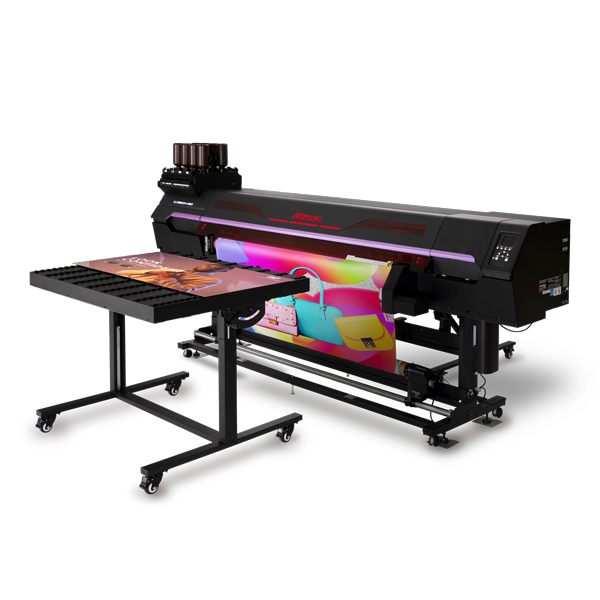
UV Printers
UV printing remains a vital industrial solution, meeting demands for customisation, efficiency, and more sustainable production with lower energy use and waste. UV inkjet printers cure ink instantly with ultraviolet light and can print directly onto a wide range of materials, enabling decoration of panels, products, and components beyond traditional printers. Mimaki UV printers deliver this versatility with reliable, professional-quality output.
More info