Products
DTF printer
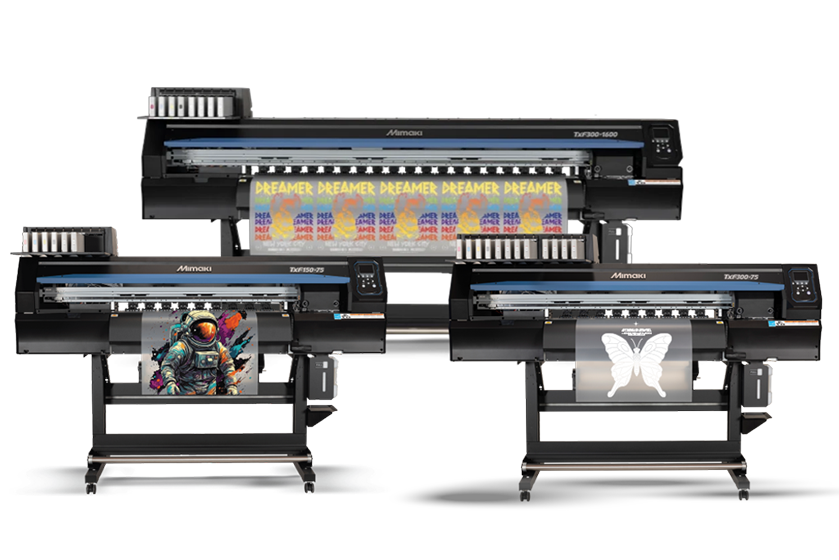
Discover the Mimaki DTF printer printers
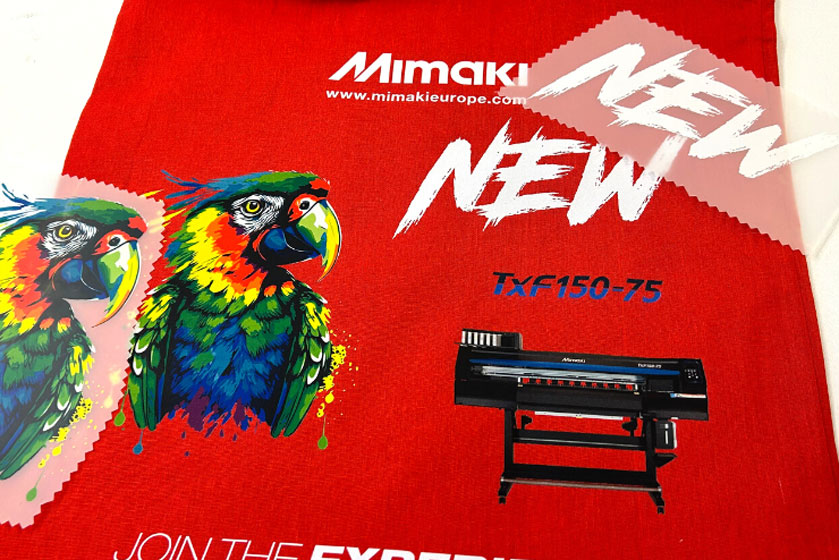
DTF is ideal for logos, images and labels on the front-side, back-side, sleeves and inside of T-shirts, hoodies, and work clothing. Personalisation, such as names and numbers on sportswear further extends the usage and promotional items like caps and bags are further good usage examples.


The flexibility you need for every textile job
A professional DTF printer expands your textile capabilities across multiple applications. Print confidently on cotton, polyester, and blended fabrics, on both light and dark garments, with stable daily output.
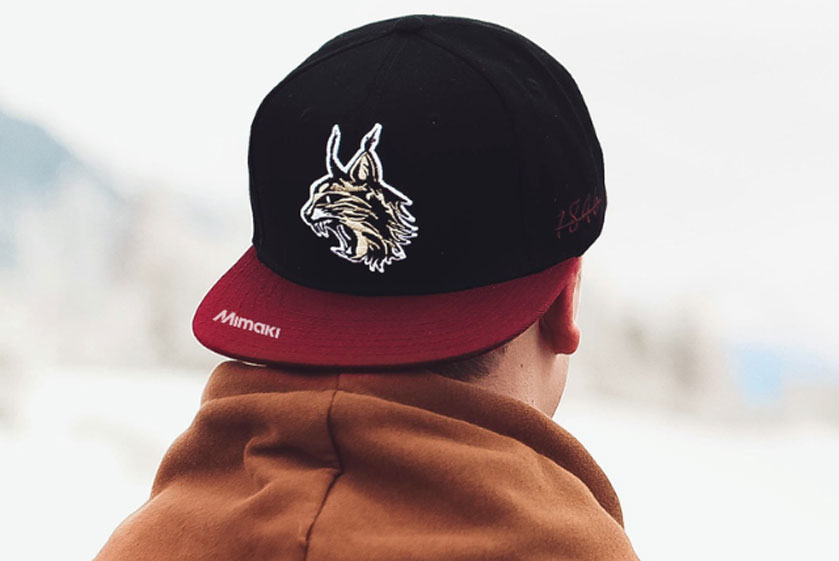
Produce personalised T-shirts, hoodies, and on-demand garments with vibrant colour and consistent white coverage.
Custom apparel & merchandising
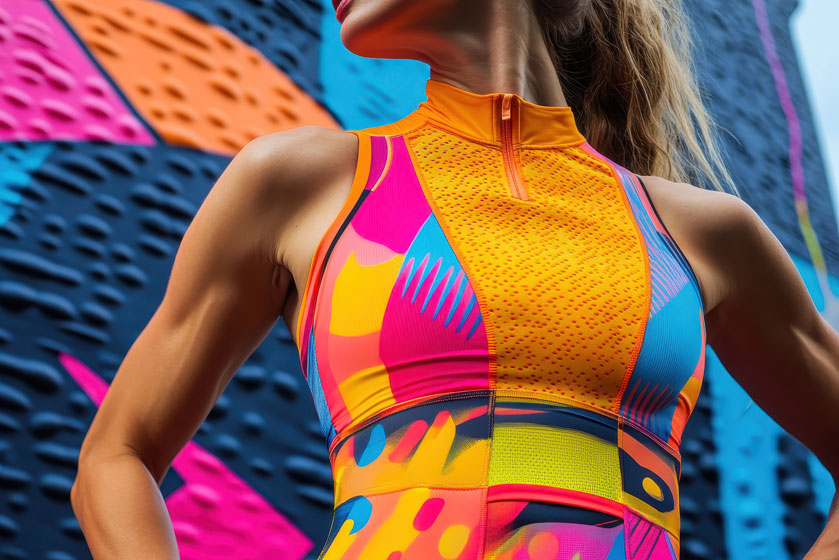
Decorate technical fabrics and synthetic blends with strong opacity and sharp detail.
Sportswear & performance garments
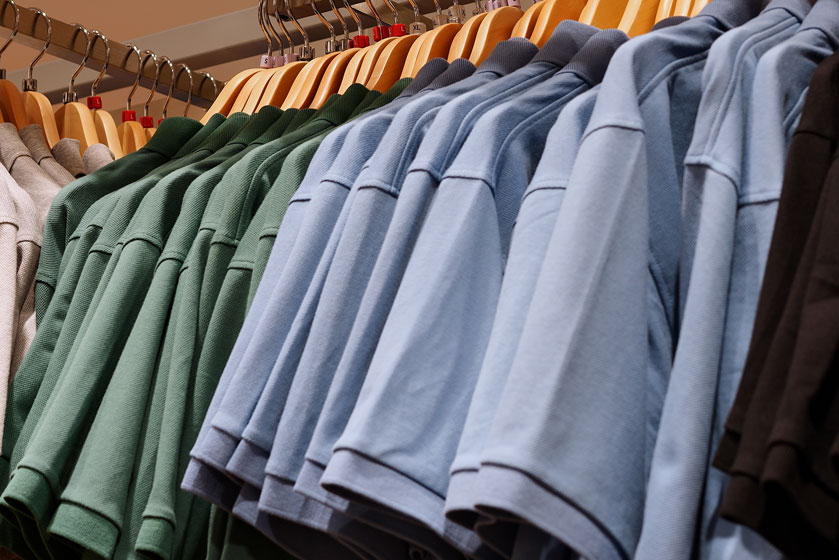
Deliver repeatable, quality results for uniforms and promotional clothing with reliable daily performance.
Workwear & branded textiles
Advantages of DTF printing
Direct-to-Film gives your business the flexibility to print on cotton, polyester, and blended fabrics without adding complexity to your workflow. Because printing and heat pressing are separate steps, you gain full control over production timing and volume. Prepare transfers in advance and apply them when needed – without plates, weeding, or fabric pre-treatment slowing production. DTF technology delivers vibrant colour, strong white opacity on dark garments, and sharp detail across designs. The durable wash performance and stable ink control help maintain consistency of the print quality. From short runs and personalised orders to scalable production, DTF supports efficient on-demand workflows. Choose a Mimaki DTF printer designed for reliable, high-quality production.
More info

Types of material that can be printed
Our printers support printing across multiple fabric types without switching systems. Achieve consistent, high-quality results on: - Cotton - Polyester - Blended fabrics - Nylon - Viscose and performance textiles - Both light and dark garments
Ink advantages Mimaki
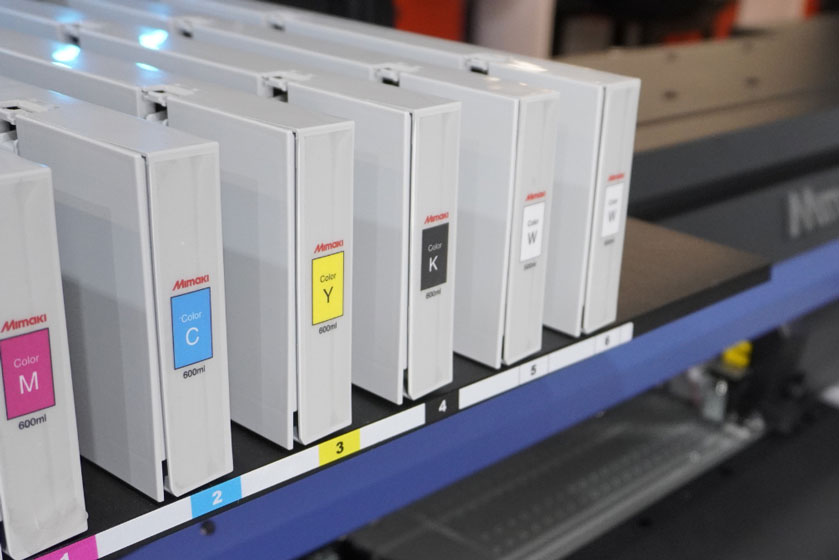
Ink quality defines print quality and durability. Mimaki’s dedicated DTF pigment ink delivers accurate colour, strong white underbase coverage, and dependable wash performance across different fabrics.Advanced white ink circulation reduces sedimentation and maintains steady opacity during extended print runs. Degassed ink packaging supports smooth output and minimises production interruptions.The result is vibrant colour, smooth gradients, and reliable performance from the first transfer to the last.
Frequently asked questions about Direct-to-Film printing
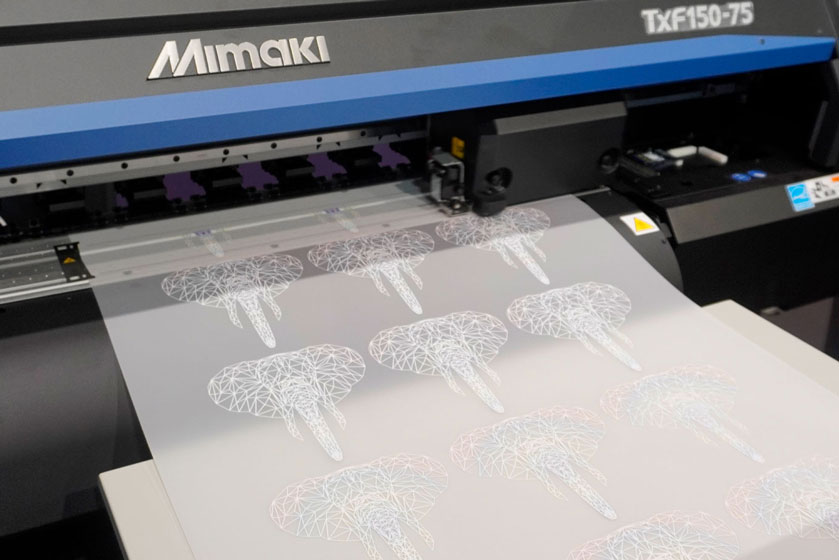
A DTF printer (Direct-to-Film printer) is a digital inkjet system that creates garment transfers. It prints designs onto PET transfer film instead of directly onto fabric.
The printer uses pigment inks and a white underbase layer. This ensures strong opacity and vibrant colour on both light and dark textiles. After printing, you apply adhesive powder to the film and cure it. The design is then heat-pressed onto the garment to create a durable and flexible print.
Because printing and heat application are separate steps, DTF offers greater production flexibility. You can prepare transfers in advance and apply them when needed. This makes DTF ideal for on-demand orders, short runs, and scalable garment production. DTF works effectively on cotton, polyester, blends, and many other textile types without pre-treatment.
Choose Mimaki DTF printers to ensure stable output, efficient production, and a reliable path to long-term growth.
Fabric flexibility: DTF transfers can be applied to cotton, polyester, blends, and many other fabrics. Sublimation printing, however, works best on polyester or polymer-coated materials. It does not bond properly with natural fibres like cotton.
Garment colour flexibility: DTF uses a white ink layer, allowing bright designs on both light and dark garments. Sublimation does not use white ink. It relies on the fabric’s base colour, so it works best on white or very light polyester fabrics.
Printing process: DTF creates a transfer that is heat-pressed onto the garment. Sublimation uses heat to turn ink into gas, which bonds directly with polyester fibres. This means sublimation becomes part of the fabric, while DTF sits as a thin, flexible layer on top.
Feel and finish: Sublimation produces a soft, “no-hand feel” result because the ink dyes the fibres. DTF forms a thin, flexible layer on the fabric. With modern systems, the finish stays smooth and comfortable for everyday wear.
Business flexibility: DTF is often preferred for mixed-fabric production, custom orders, and dark apparel. Sublimation is ideal for high-volume polyester sportswear and all-over prints.
Screen printing suits large batches of a single design, where high volumes help reduce setup costs.
DTF printing offers greater flexibility. You can produce small runs, customized designs, and detailed multi-colour artwork without complex setup or large minimum orders.
With Mimaki DTF printers, you gain faster setup, greater design flexibility, and better control over textile production.
Yes. DTF printing requires a dedicated printer built to handle white ink, layered printing, and transfer film. Standard inkjet printers do not support this production process.
Choose Mimaki DTF printers to build your textile production on a stable and scalable DTF foundation.
DTF is a form of digital textile printing specifically developed for transfer-based garment decoration. The difference depends on your production needs.
With DTF printing, you can work across various fabrics and prepare transfers in advance to apply when orders arrive. This makes it well suited for varied designs, smaller batches, and responsive production workflows.
Other digital methods may suit specific materials or large uniform runs. For businesses that need more flexibility and control, DTF offers a practical and efficient solution.
Curious for more Mimaki printers?
Textile
Having been a leader in the digital textile printing industry, Mimaki is the right partner in the fast-growing textile markets. With constant development efforts to make better, faster products for the textile and apparel industry, Mimaki’s offerings range from entry level print-and-cut machine to the world’s fastest dye sublimation printer, as well as reactive, acid and pigment inks.
More infoUV-DTF
UV-DTF transfer printing makes it possible to decorate curved, textured, and hard-to-print materials simply and efficiently. Mimaki’s UV-DTF technology offers reliability and image sharpness technology with a workflow that minimises downtime. UV-DTF printing empowers you to create consistent, high-value results while expanding into profitable new markets.
More info