Full-colour 3D printers
Create realistic 3D models with over 10 million colours and fine details.
See our printers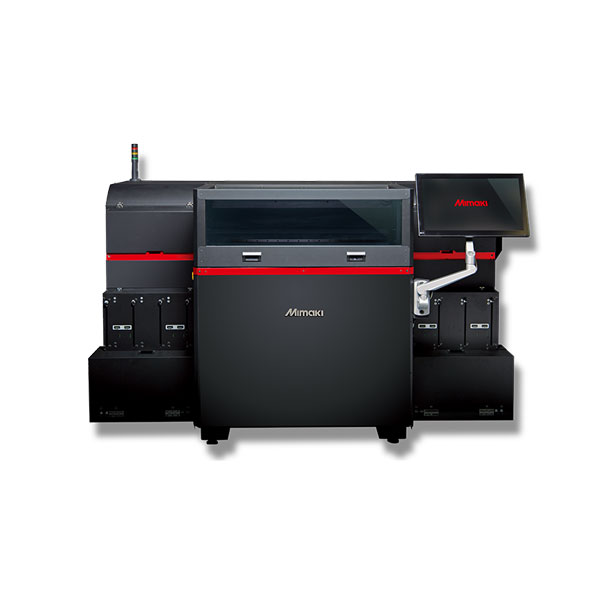
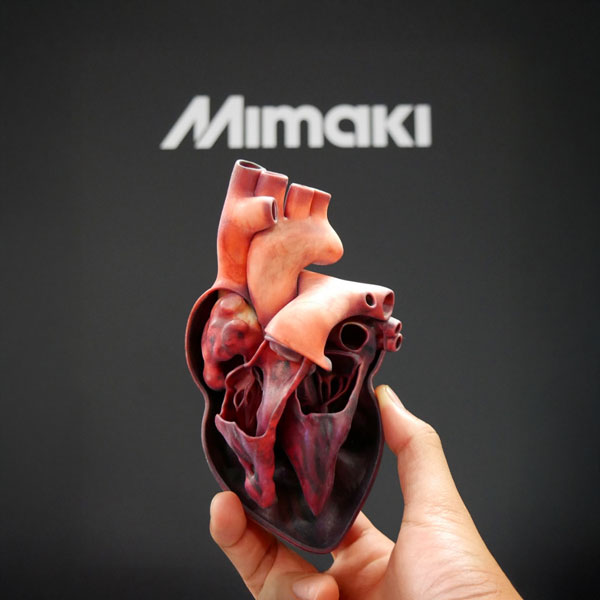
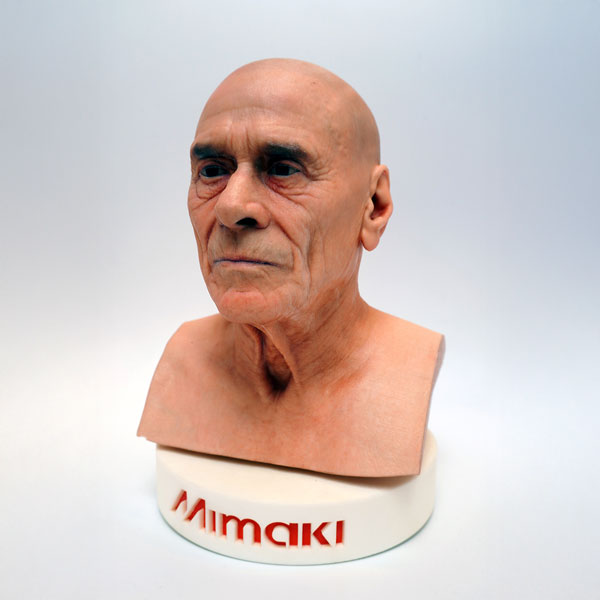
Mimaki 3D Printers
Mimaki’s professional full-colour 3D printers use UV-curable inkjet technology to create physical models with realistic colours, gradients and fine details. They help businesses, design studios, model makers and educational teams produce prototypes, architectural models, figurines and other objects for review, presentation or display.
When choosing a 3D printer, consider the size, volume and number of models you need to produce, your available space and the time required for printing and finishing. Explore Mimaki’s 3D printers below to find a solution that suits your production needs.
-

3DUJ-2207
Your starting point in professional full-colour 3D printing
- Reinvent your work with new office-friendly, affordable design
- Over 10 millions colours at 1200dpi high detailed resolution
- Water-soluble support material prevents breakage of detailed parts
- End-to-end solution for complete production cycle
-

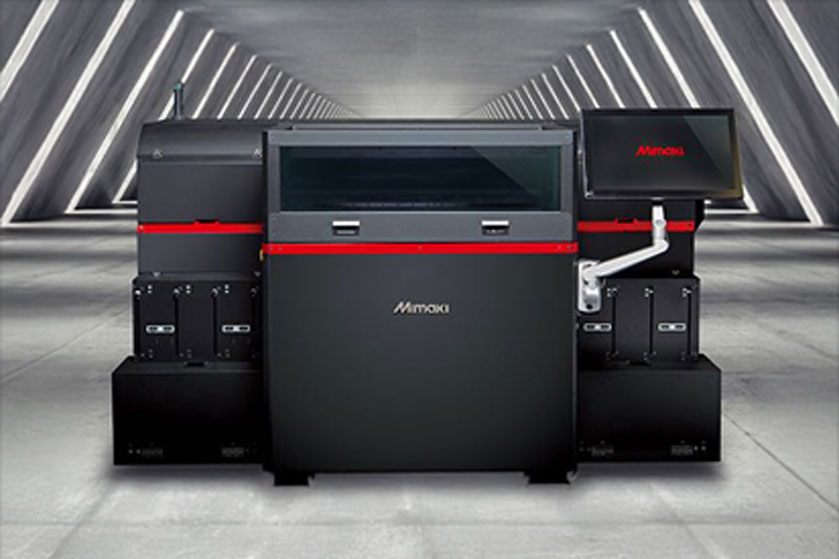
3DUJ-553
The world’s first full-colour 3D UV-curable inkjet printer
- Printing in full colour in over 10 million colours
- Water-soluble support material prevents breakage of detailed parts
- Extreme high uptime
- Build size 500 x 500 x 300mm


What can you create with full-colour 3D printing?
Mimaki's full-colour 3D printers help businesses create realistic product prototypes, architectural models, figurines and educational models. The possibilities are limitless. Reproducing colours, textures and fine details directly during printing, reducing the need for manual painting. Explore the applications below to see examples of how 3D printing supports different industries.
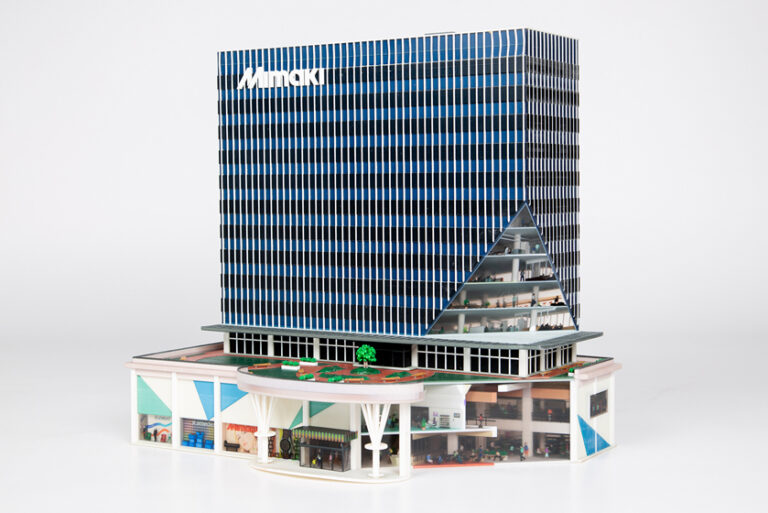
Present buildings and designs with realistic colours, textures and fine architectural details.
Architectural models
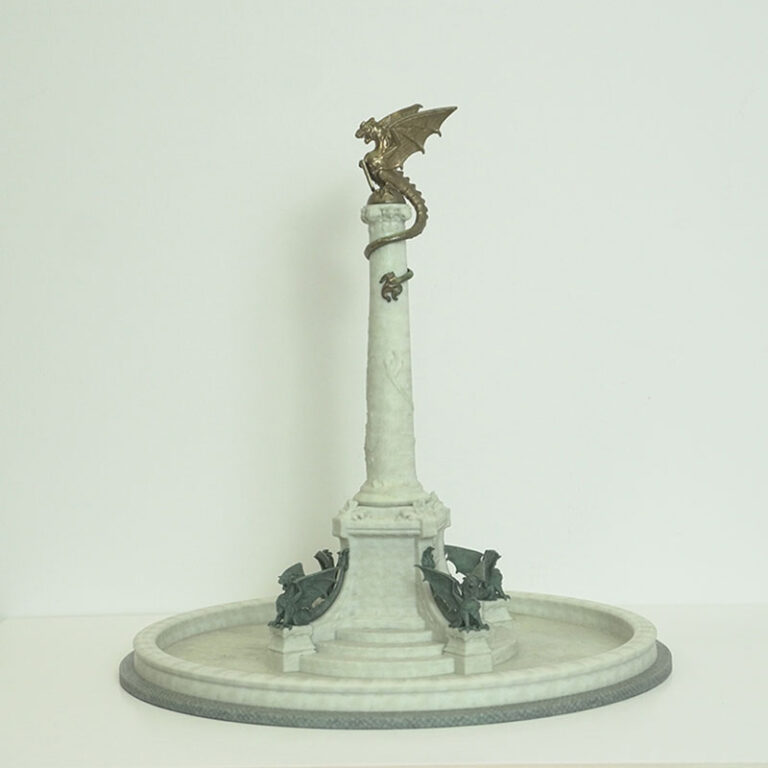
Reproduce historical artefacts with detailed colours and textures for museums, research and exhibitions.
Artefacts and replicas
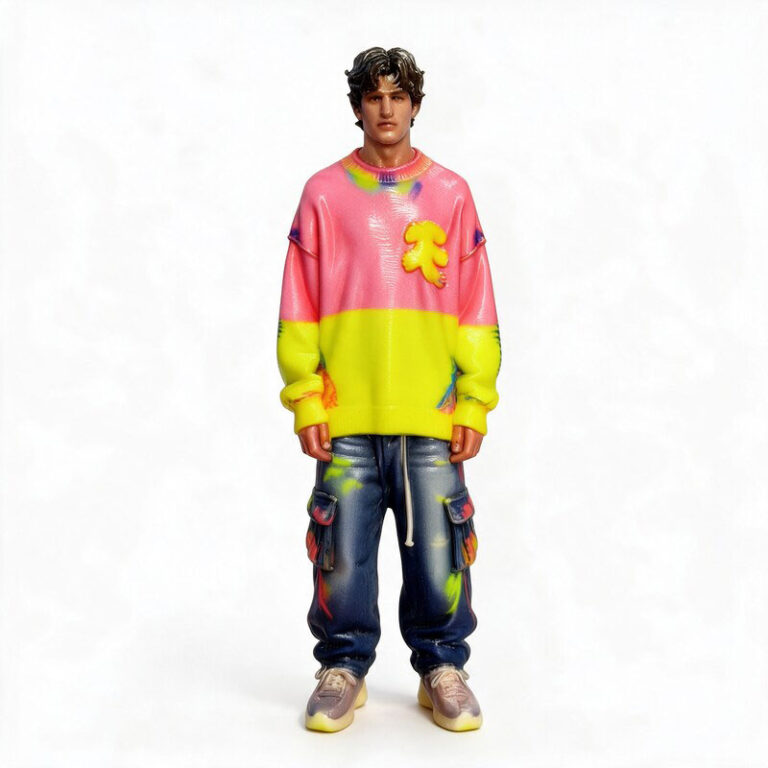
Produce detailed characters and miniatures with lifelike colours and smooth gradients.
Figurines and collectibles
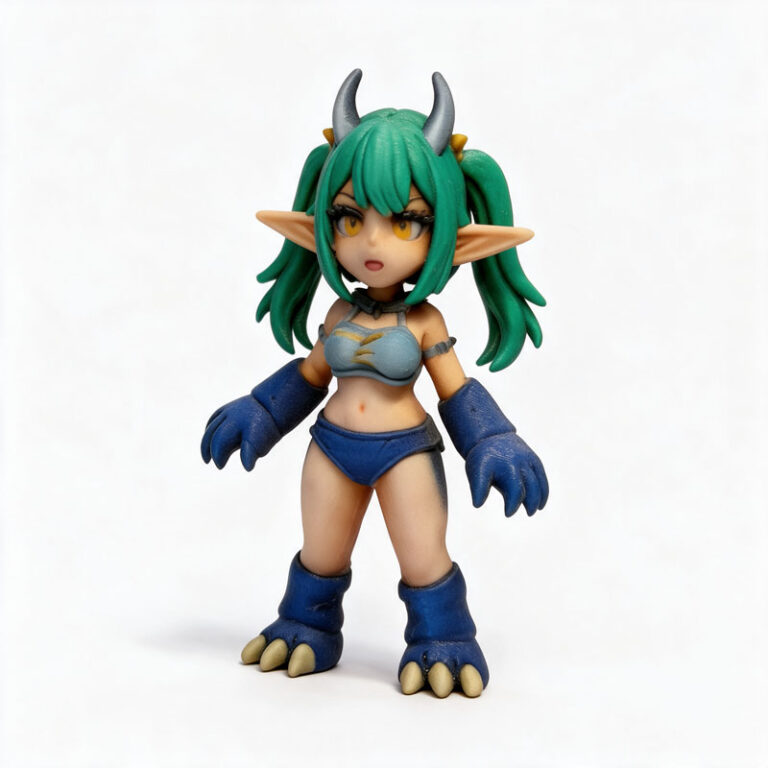
Create detailed game characters, tabletop miniatures and custom game pieces with realistic colours.
Gaming models
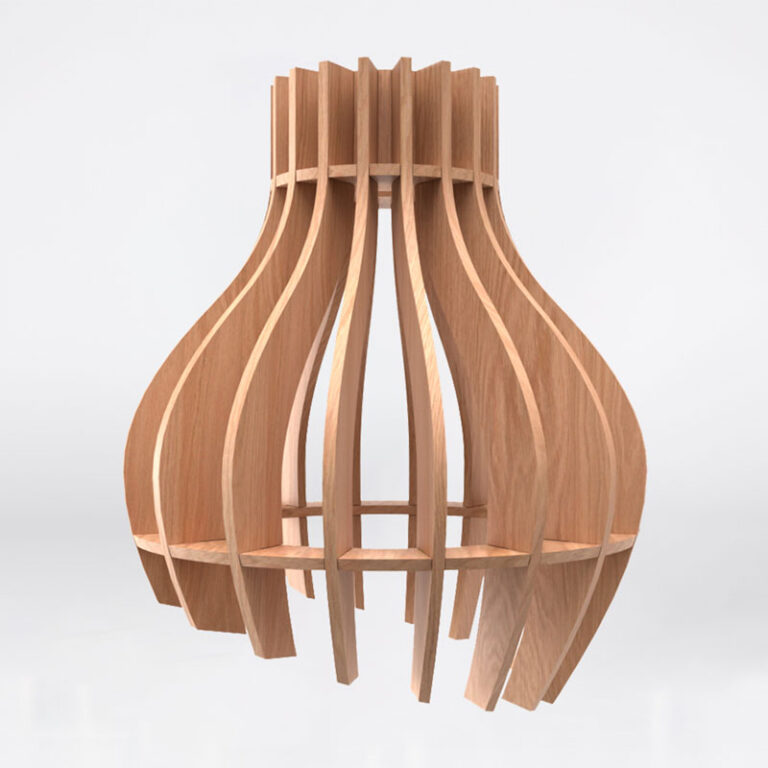
Create custom vases, decorative sculptures and ornaments with detailed colours and textures for unique interior designs.
Home decor
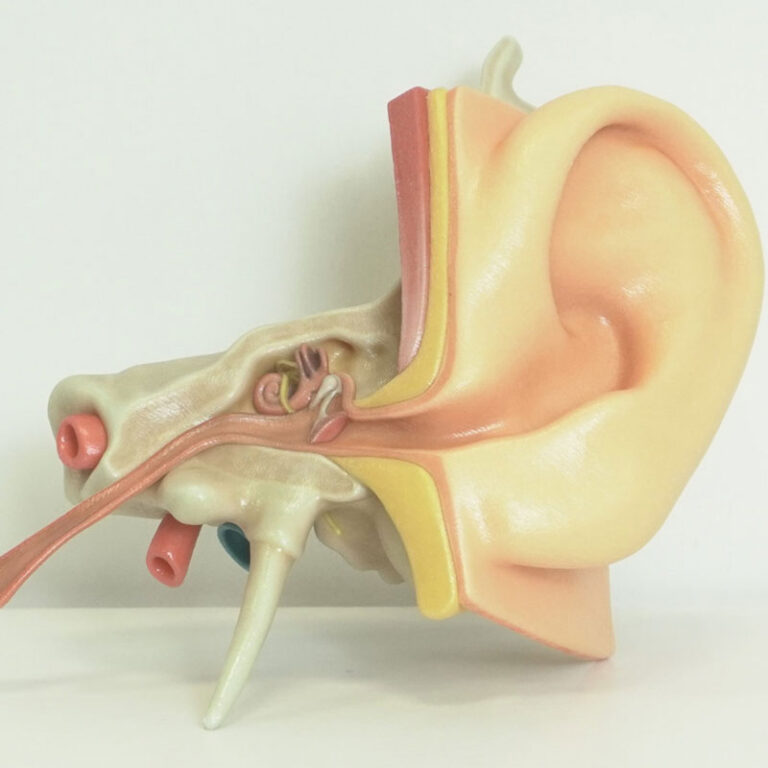
Create colourful 3D models that help students understand complex shapes and structures.
Medical/Educational
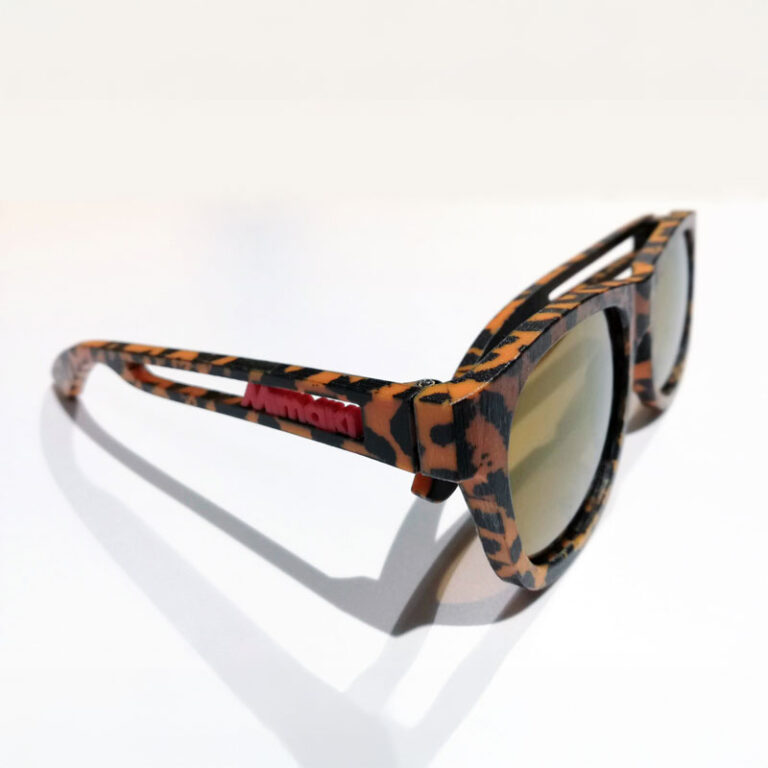
Create realistic product models to review colours, shapes and details before production.
Product prototypes
Discover full-colour 3D printing in action
Discover how the Mimaki 3DUJ-553 produces detailed, full-colour 3D models with over 10 million colours. Its thin printing layers capture fine details, while water-soluble support material makes it easier to print, clean and finish complex shapes.
How does full-colour 3D printing work?
Mimaki's full-colour 3D printers use UV-curable inkjet technology, a type of material jetting. The printer deposits thin layers of liquid acrylic resin and uses UV light to harden each layer. It repeats this process until it builds the complete 3D object.
Unlike 3D printers that use pre-coloured plastic filaments, Mimaki combines CMYK (cyan, magenta, yellow and black), white and clear inks to create colours during printing. This allows the printers to reproduce realistic colours, smooth gradients and fine details. Clear ink also makes it possible to create transparent or translucent effects, depending on the printer's ink configuration and the design.
During printing, water-soluble support material holds delicate or overhanging parts in place. After printing, users can remove the support material with water, helping preserve fine details and reducing the need for manual support removal.
Preparing 3D files and finishing printed models
Not every 3D file is ready to print. Missing surfaces, walls that are too thin or other errors can cause problems during printing. Mimaki 3D Print Prep Pro v2.0 is an standalone software product that helps users fix issues before production, reducing the risk of failed prints. Mimaki 3D Link helps users arrange models and estimate printing time and material use, making it easier to plan jobs and manage costs.
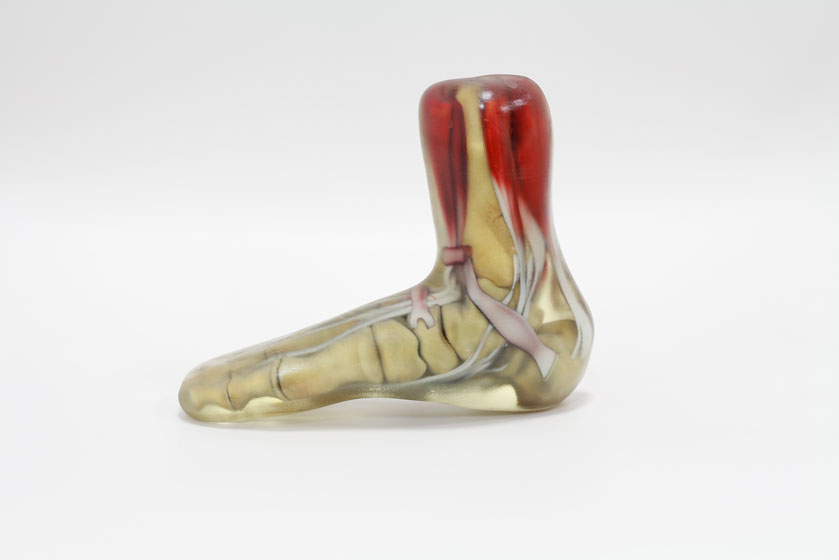
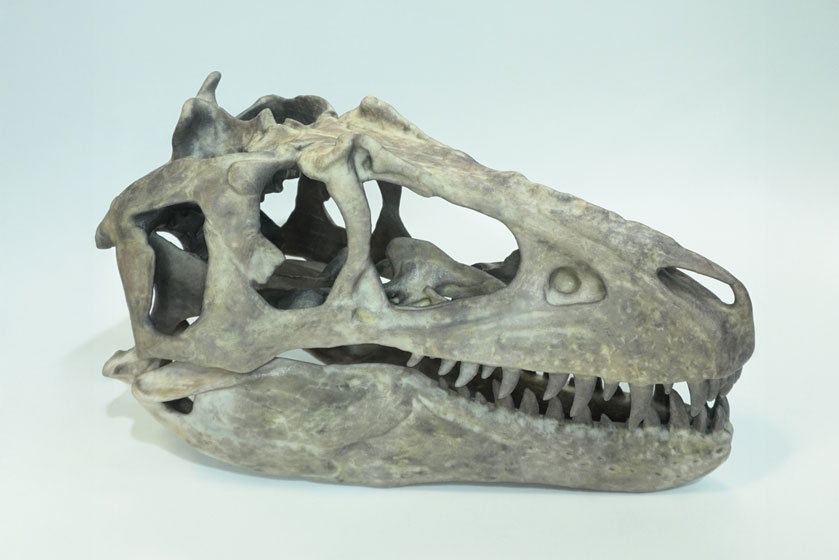
After printing, detailed colours and gradients reduce the need for hand-painting. Users can wash away the water-soluble support material, making removal easier and helping protect delicate details. The model needs to dry afterwards, and some projects may require additional finishing (like polishing).
Choosing the right professional 3D printer
Choosing a professional 3D printer depends on what you plan to produce, the size, volume and number of models you need, your available space and your production requirements.
Mimaki 3DUJ-2207
The compact 3DUJ-2207 offers a build volume of 203 × 203 × 76 mm, making it suitable for smaller prototypes, figurines and detailed models. Its space-saving design makes it an option for businesses, design studios and educational environments.
Mimaki 3DUJ-553
The 3DUJ-553 provides a larger build volume of 508 × 508 × 305 mm, giving businesses more room for bigger prototypes, architectural models or several smaller objects in one print job.
Beyond model size and volume, consider how many models you need to produce and the available time for printing and finishing. These factors can help you choose a printer that fits your production needs and budget.
Frequently asked questions about full-colour 3D printing
Multicolour 3D printing uses separate pre-coloured materials to create different colour areas. This works well for designs with distinct colours, but reproducing subtle colour transitions and complex artwork makes it more difficult and evolves material change.
Full-colour 3D printing offers greater flexibility for detailed and realistic models. Mimaki's UV inkjet technology combines CMYK, white and clear inks to reproduce over 10 million colours, smooth gradients and fine visual details directly during printing. This makes it easier to create lifelike figurines, realistic product prototypes, detailed architectural models, and many more without manually painting colours afterwards.
Mimaki's 3DUJ series uses UV-curable acrylic resin inks to produce detailed, full-colour 3D models. The material hardens during printing because of UV light. With this material we can create rigid objects with ABS-like hardness (similar to a commonly used hard plastic). This makes it suitable for realistic prototypes, figurines, presentation models and more. Although parts exposed to heat, impact or mechanical stress always need to be evaluated.
The printers also use water-soluble support material to hold delicate or complex shapes in place during printing. Users can use a water-filled cleaning station to automatically remove the support material without damaging the product and helping to preserve the fine details.
Mimaki's full-colour 3D printers can reproduce over 10 million colours, including smooth gradients and detailed textures. They also support ICC colour profiles, which helps managing colour consistency between digital designs and printed models.
Although we use colour profiles, still the finished model may not look exactly like the image on your screen. Colour appearance depends on the source file, colour settings, model design and lighting. Very small details and transparent or translucent areas may also look different from solid-colour surfaces.
If colour accuracy is important for your model or application, contact Mimaki to request a print sample using your own 3D file. This allows you to check the colours, fine details and finished appearance before investing in a printer.
Mimaki's 3DUJ printers support STL, OBJ, VRML, PLY and 3MF files. However, not all these formats preserve colour information in the same way.
For example, an STL file stores the model's shape but not its colour textures. For models with detailed colours or patterns, OBJ and 3MF are better options when exported correctly. If you use OBJ, make sure to include any separate files containing the model's colour and texture information.
Mimaki 3D Link helps arrange models for printing, while the optional 3D Print Prep Pro v2.0 can help fix common file errors before production.
Mimaki offers professional full-colour 3D printers for different budgets and production needs. The compact 3DUJ-2207 is an entry-level option for businesses starting with full-colour 3D printing, while the 3DUJ-553 offers a larger build volume for bigger models. Prices vary per machine and the additional package offered by our local dealers.
When comparing costs, check whether installation, training, warranty, servicing and optional equipment are included. Also consider the ongoing costs of ink, support material, maintenance and finishing.
For an exact quote, contact a Mimaki dealer in your region.
Explore other Mimaki printing technologies

UV Printers
UV printing remains a vital industrial solution, meeting demands for customisation, efficiency, and more sustainable production with lower energy use and waste. UV inkjet printers cure ink instantly with ultraviolet light and can print directly onto a wide range of materials, enabling decoration of panels, products, and components beyond traditional printers. Mimaki UV printers deliver this versatility with reliable, professional-quality output.
More info
UV-DTF
UV-DTF transfer printing makes it possible to decorate curved, textured, and hard-to-print materials simply and efficiently. Mimaki’s UV-DTF technology offers reliability and image sharpness technology with a workflow that minimises downtime. UV-DTF printing empowers you to create consistent, high-value results while expanding into profitable new markets.
More info

